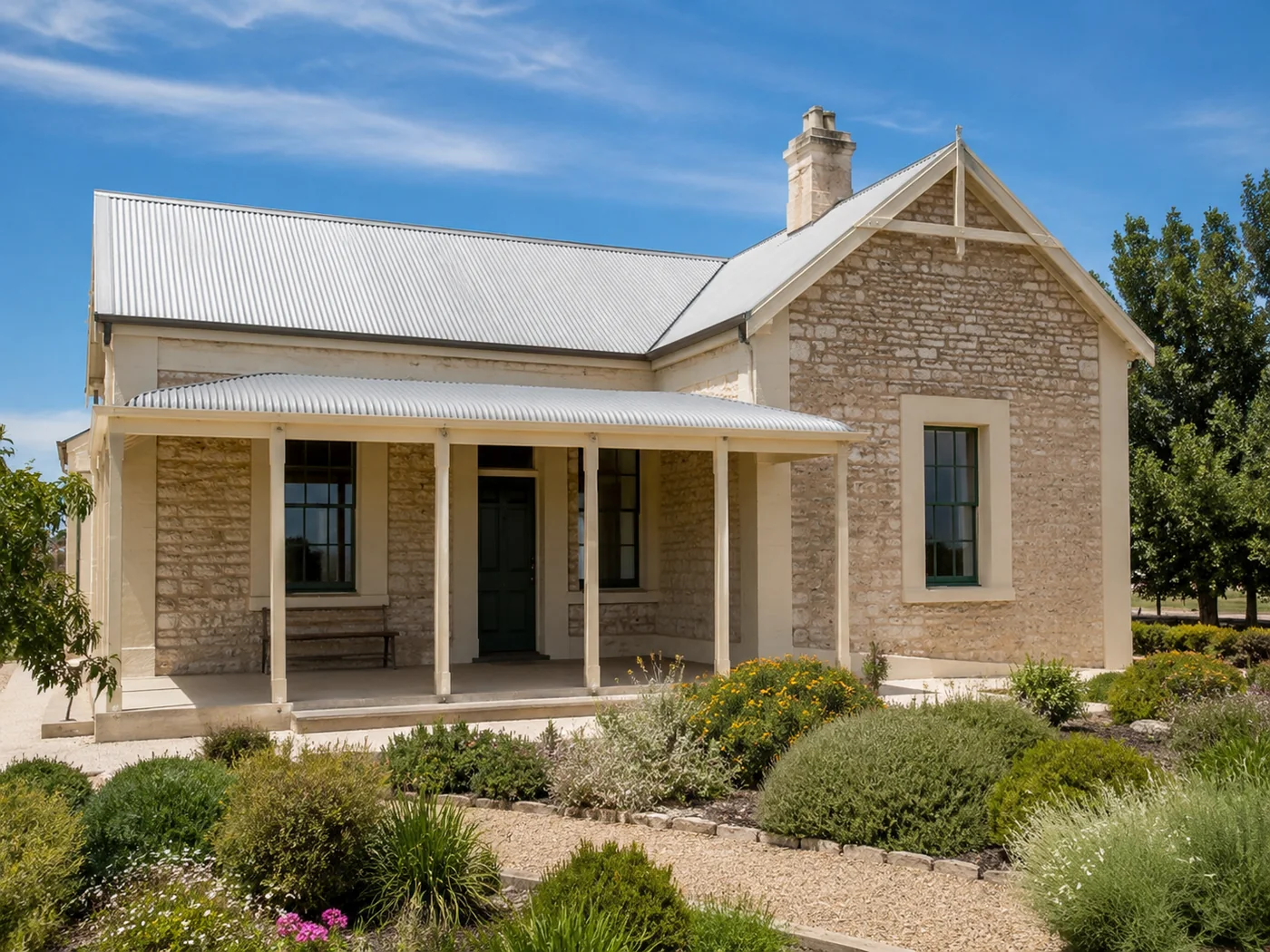
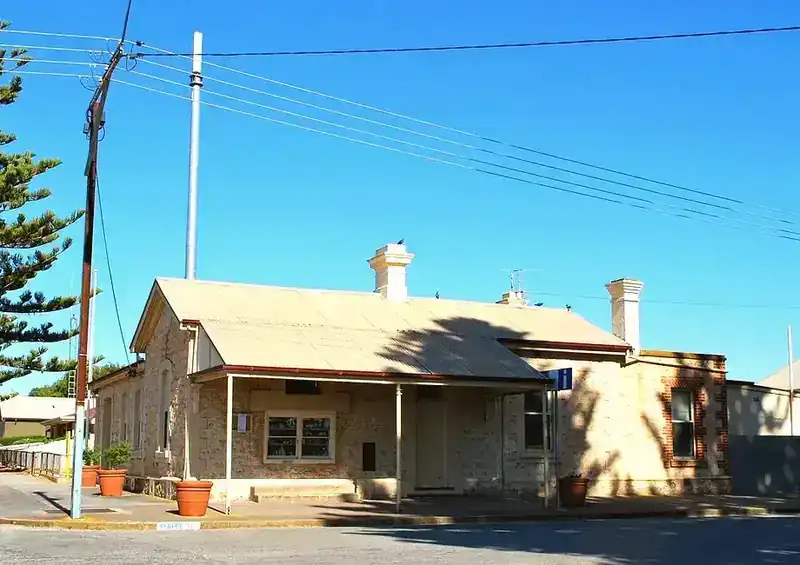
Heritage stone building evoking Yorke Peninsula museum architecture
Museums · collections · historic placesYorke Peninsula · South Australia

Yorke Peninsula · South Australia

Museums & Heritage on Yorke Peninsula

Choose by story, not just by distance

Compare the peninsula’s local museums through the history they preserve: farming, copper mining, shipping, domestic life, military service, aviation and the changing coastal towns around them.

01Start with the subject that interests you most.
02Group nearby museums into one realistic driving route.

Museums at a glance

12 stopsVerified museum venues across the peninsula region
StansburyLocal life, school, farming and collections
Copper CoastMining, smelting and dryland farming
CoastsShipping, ports, salt and maritime history

The museums make more sense when you compare what each one explains

Yorke Peninsula does not have one single museum that tells the whole regional story. Its history is distributed among small community collections, former schools, industrial sites, maritime museums and larger heritage complexes. That makes choosing by subject more helpful than simply working down a ranked list.

Stansbury Museum is particularly good for understanding one coastal town through domestic rooms, schooling, farming, oyster work, machinery and family-history material. Farther north, the story changes. Ardrossan is closely tied to agricultural invention, Kadina interprets dryland farming and the Wallaroo Mines district, and Moonta Mines preserves the most concentrated Cornish copper-mining heritage on the peninsula.

Wallaroo adds the shipping, smelting and nautical side of the Copper Coast. On the southern and western sides, Edithburgh and Port Victoria shift the emphasis back toward ports, shipwrecks, grain and seafaring. Minlaton adds district history and aviation through the Harry Butler story.

The result is a connected museum network rather than a collection of interchangeable attractions. Two or three well-matched stops can explain more about the peninsula than trying to visit every museum in one rushed day.

01

Stansbury Museum

Stansbury · eastern coast

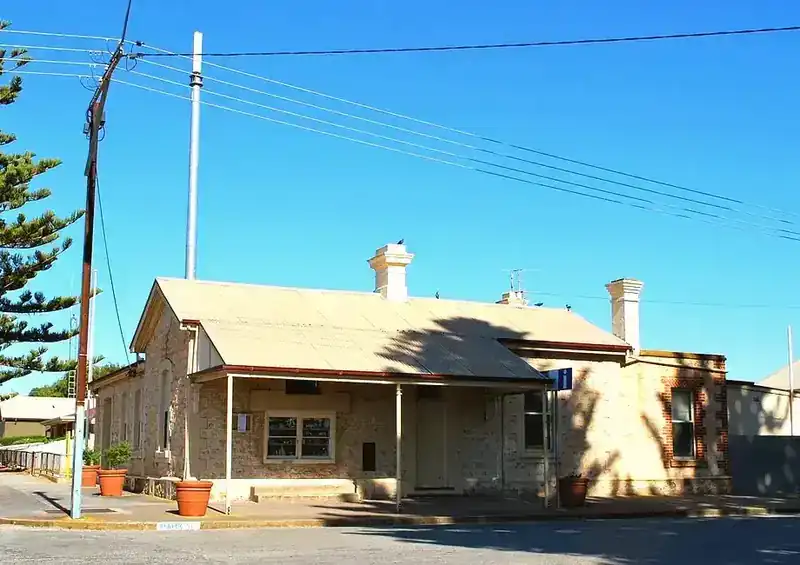
Housed in the former 1878 school and headmaster’s residence, the collection brings together household life, schooling, farming, oyster work, tools, machinery, clothing, community organisations and family-history research.

Best for: understanding one small coastal town in depth.
02

Ardrossan Heritage Museum

Ardrossan · eastern coast

The museum occupies a former powerhouse associated with Clarence H. Smith’s machinery factory. Its main story is agricultural invention, especially the stump-jump plough, with additional town and maritime history.

Best for: farm machinery and invention.
03

The Farm Shed Heritage Museum

Kadina · Copper Coast

A broad agricultural collection centred on dryland farming, machinery and the people who worked the land. The complex also includes Matta House and material connected with Kadina and the Wallaroo Mines district.

Best for: the widest farming story.
04

Moonta Mines Museum

Moonta Mines · Copper Coast

Located in the former 1878 Model School, the museum focuses on Cornish miners, family life, hardship, community institutions and the mining settlement. It works best as part of the wider Moonta Mines National Heritage Area.

Best for: copper mining and Cornish heritage.
05

Wallaroo Heritage & Nautical Museum

Wallaroo · Copper Coast

Wallaroo’s museum connects maritime activity with the port, copper-smelting era, railways and local community history. It gives the northern peninsula a distinctly nautical and industrial perspective.

Best for: shipping, smelting and port history.
06

Edithburgh Museum

Edithburgh · southern coast

Located in an old produce store, the museum interprets a town shaped by shipping, agriculture, the former salt industry and nearby shipwreck history. It pairs naturally with Edithburgh’s jetty and waterfront.

Best for: southern maritime and salt-industry history.
07

Minlaton Museum & Harry Butler story

Minlaton · central peninsula

The local museum occupies part of a former general store and includes district history plus a room devoted to pioneer aviator Harry Butler. The nearby memorial displays his Bristol monoplane, the Red Devil.

Best for: local history with an aviation focus.
08

Smaller specialist collections

Across Yorke Peninsula

Port Victoria adds grain-shipping and maritime history, while Bublacowie focuses on military remembrance. These smaller collections are worth choosing when their specialist subject matches your trip.

Best for: targeted maritime or military interests.

A former school that now holds the town’s memory

The museum occupies Stansbury’s original 1878 schoolroom and the adjoining headmaster’s residence. The school moved to larger premises in 1908; the former residence remained in educational use for decades, and the museum opened in 1976 after local history displays created for Stansbury’s centenary generated strong community interest.

The range of the collection is the point. Furnished domestic rooms sit beside clothing, sewing and lacemaking, school material, farming implements, engines, bottles, cameras, clocks, gems and minerals, sport and RSL objects. The reading and research room adds cemetery records, family trees and reference material for people tracing local connections.

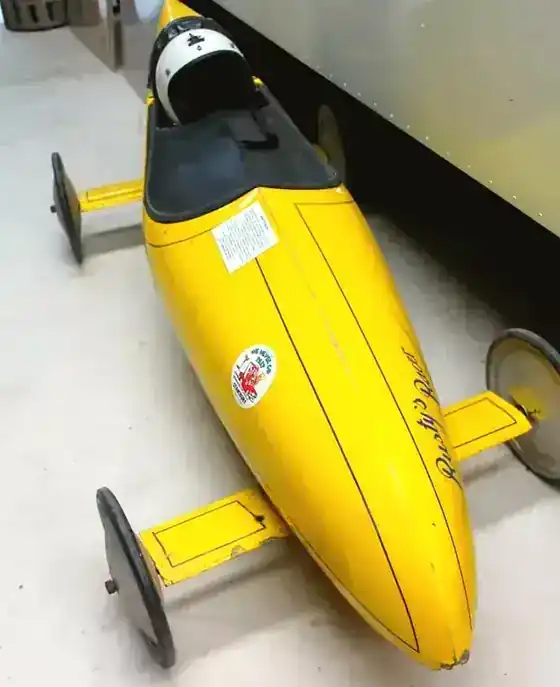
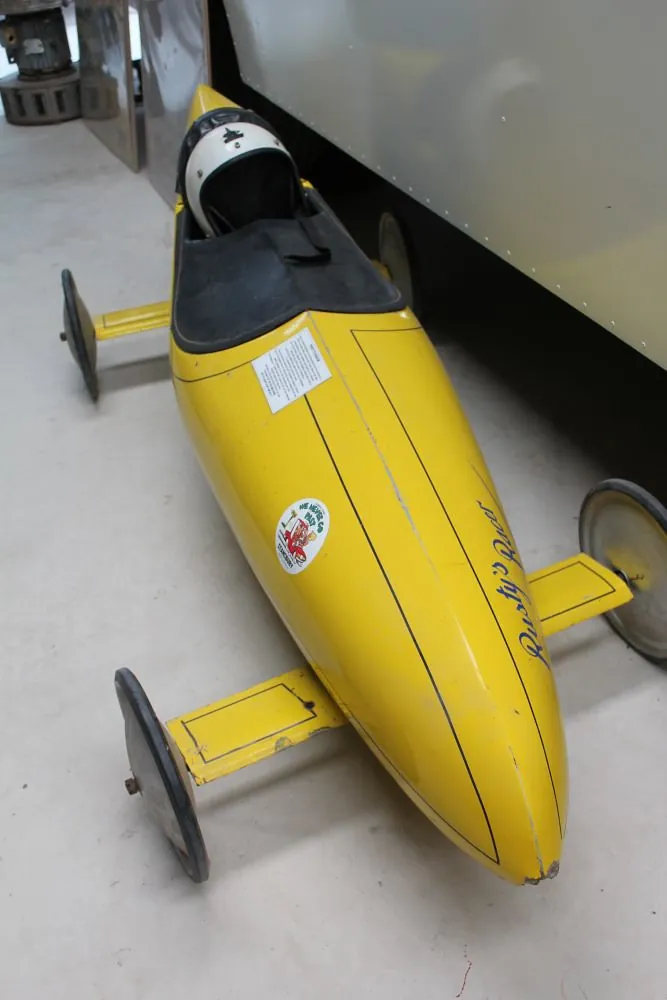
Outside and in the larger sheds, the story moves from household life to work and machinery. A half-size replica of a Riddle windmill recalls locally important agricultural technology, while unusual objects such as the museum’s soap-box racer make the collection much less predictable than the building suggests from the street.

AddressLot 101 North Terrace, Stansbury SA 5582
Regular openingWednesday & Sunday · 2–4 pm
AdmissionAdult $5 · Family $10 · School-aged child $1

Inside the former school

School photographs, local-history albums and objects place the museum building inside Stansbury’s own education story.

Domestic rooms

Bedroom, sitting room, dining room and kitchen displays show how household life changed across generations.

Collections with personality

Shells, gems, bottles, cameras, clothing, clocks and hobby collections sit alongside formal local-history material.

Research material

Cemetery records, family trees and reference files make the museum valuable beyond a casual visit.

Five stories connect the peninsula’s collections

Historic Stansbury building illustrating community heritage on Yorke Peninsula

Farming and invention

Ardrossan explains machinery innovation, while Kadina gives more space to dryland farming, equipment and life on the land.

Copper and Cornish migration

Moonta Mines is the essential stop, with Kadina and Wallaroo adding mining, smelting, transport and town development.

Ports and the sea

Wallaroo, Edithburgh, Port Victoria and Stansbury each show different relationships between jetties, shipping, fishing and coastal industry.

Homes and everyday life

Stansbury and several local museums use furnished rooms, clothing, household objects and photographs to make community history tangible.

Technology and transport

Farm machinery, engines, rail connections, ships and aircraft reveal how distance and difficult landscapes shaped work and movement.

Country before the museums

Yorke Peninsula is Nharangga Country. Museum collections mainly explain later town, farming, mining and maritime history, so they should be understood within that much longer cultural landscape.

Look beyond the museum door

Heritage continues through streets, jetties, mines and public art

A museum visit becomes richer when the objects inside are connected with places outside. In Stansbury, oyster and shipping history makes more sense after walking the jetty and foreshore. In Wallaroo, port and smelting history connects with the waterfront. Around Moonta Mines, museum displays continue into enginehouses, mine sites and walking routes.

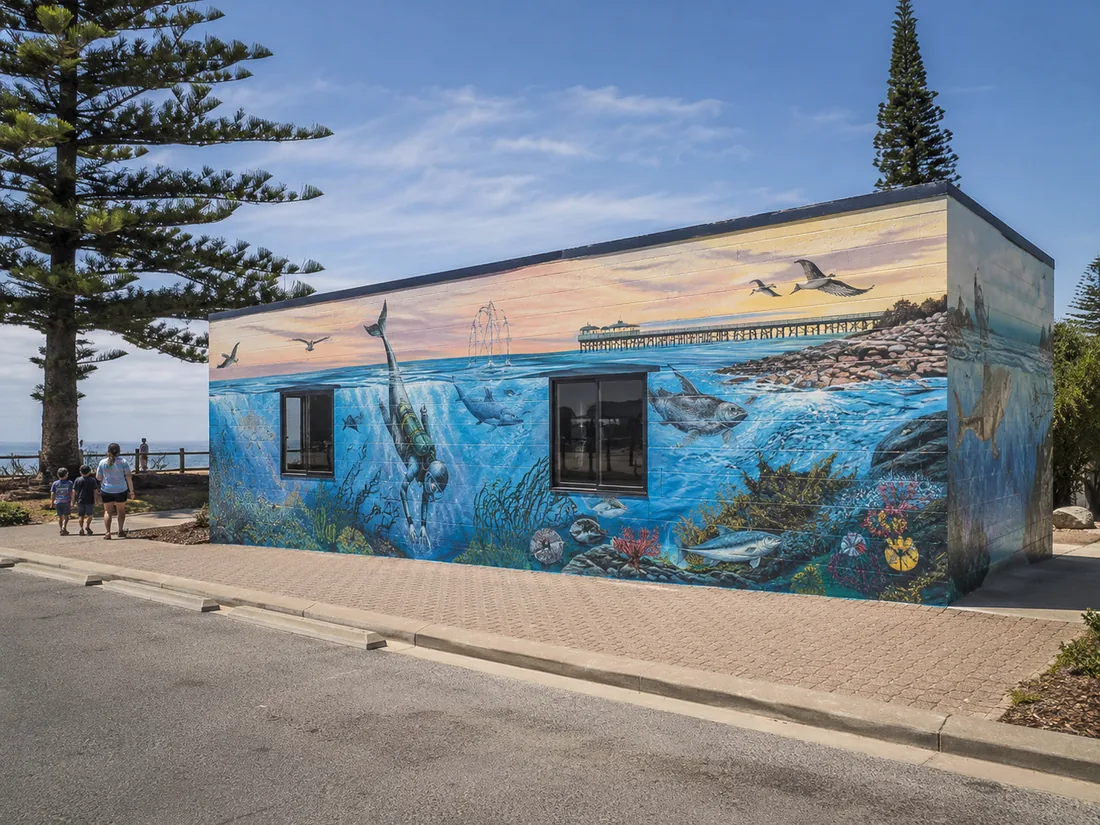
Historic buildings and public art also help visitors read the towns. Water towers, murals, memorials, former schools and old commercial buildings often explain which industries mattered locally and how community identity changed after mining, shipping or agricultural technology moved on.

Public mural used as a modern layer of coastal heritage

Yorke Peninsula museums: addresses and phone numbers

MuseumAddressPhoneMain focus
Stansbury MuseumLot 101 North Terrace, Stansbury SA 55820409 094 009
0407 188 689
Town life, school, domestic history, farming, collections and family research
Ardrossan Heritage Museum16 Fifth Street, Ardrossan SA 557108 8837 4195Stump-jump plough, agricultural invention, settlers and town history
Edithburgh Museum5–7 Edith Street, Edithburgh SA 55830400 640 540Shipping, shipwrecks, salt industry, agriculture and local life
Maitland Museum3 Gardiner Terrace, corner Kilkerran Terrace, Maitland SA 55730400 176 954School history, cereals, barley, farm power, blacksmithing and district life
Minlaton Museum14a Main Street, Minlaton SA 55750427 792 271
0417 839 114
District records, farming, shipping and Captain Harry Butler
Port Victoria Maritime Museum15 Victoria Terrace, Port Victoria SA 557308 8832 2398
08 8834 2068
Windjammers, grain trade, shipwrecks, maritime objects and local history
Bublacowie Military MuseumBublacowie Road, Yorketown SA 55760419 853 294Australian military history, service memorabilia and memorial gardens
Moonta Mines Museum155 Verran Terrace, Moonta Mines SA 555808 8825 1891Cornish mining families, copper mining, social history and the former Model School
The Farm Shed Heritage Museum50 Mines Road, Kadina SA 555408 8821 2333Dryland farming machinery, agricultural history and Matta House
Wallaroo Heritage & Nautical MuseumJetty Road & Emu Street, Wallaroo SA 555608 8823 3015Port history, copper smelting, nautical collections, communications and town life
Port Broughton Heritage Centre & Museum10 Edmund Street, Port Broughton SA 552208 8635 2204
0447 511 509
Early settlement, families, sport and general Port Broughton history
5570 Collective5 Fowler Terrace, Price SA 55700408 804 467Price photographs, local history, community displays and regional art

These are the main publicly listed museum venues across Yorke Peninsula, Copper Coast and the Port Broughton edge of the tourism region. Volunteer museums can alter opening days, so a phone call is worthwhile before making a long drive for one specific collection.

Yorketown Historical Society

Old Courthouse, Edithburgh Road, Yorketown · 08 8852 1385. A local-history and photographic collection rather than a conventional museum visit.

Curramulka Cultural Heritage Group

6 High Street, Curramulka · 0417 824 571 / 0419 998 052. Community heritage material and local records.

Yorke Peninsula Family History Group

Copper Coast Library / TAFE complex, Kadina · 08 8821 1075. Best treated as a research stop for family and district history.

Which museum should you choose?

Museum or placeMain subjectWhat makes it differentPair it with
Stansbury MuseumLocal life, farming, oyster workOne town explained through domestic rooms, school history, machinery and research material.Jetty, foreshore and Stansbury walking route
Ardrossan Heritage MuseumAgricultural inventionStrong connection with the stump-jump plough and the Clarence H. Smith machinery story.Ardrossan cliffs, jetty and town history
Farm Shed, KadinaDryland farmingLarge machinery and farming story, plus Matta House and Wallaroo Mines history.Kadina town drive or Wallaroo
Moonta Mines MuseumCopper mining, Cornish lifePart of a much larger heritage landscape rather than a stand-alone museum stop.Tourist railway, enginehouses and mine walks
Wallaroo Heritage & Nautical MuseumMaritime, smelting, railExplains the working port and industrial side of the Copper Coast.Wallaroo foreshore and historic town route
Edithburgh MuseumMaritime, salt, agricultureSouthern coastal history with shipwreck and salt-industry context.Jetty, tidal pool and town walk
Minlaton MuseumDistrict history, aviationLocal collection strengthened by the nearby Harry Butler aircraft memorial.Harry Butler Memorial and central Yorke stops
Use the table as a selector, not a ranking. The best museum depends on whether you want mining, farming, shipping, local life or aviation. Opening days can be limited, so let current hours determine the final order of a driving day.

Three routes that make geographic sense

East coast

Ardrossan → Stansbury → Edithburgh

A route for farming invention, local coastal life and southern maritime history.

  • Start with Ardrossan if its museum opens earlier.
  • Use Stansbury for a museum-and-foreshore middle stop.
  • Finish around Edithburgh’s waterfront and museum.
Copper Coast

Kadina → Wallaroo → Moonta Mines

The densest single-day concentration of industrial and mining history.

  • Kadina for farming and Wallaroo Mines context.
  • Wallaroo for port, smelting and nautical history.
  • Moonta Mines for the deepest copper and Cornish story.
Central & specialist

Minlaton → west or south

Best when aviation or a specialist collection matters more than ticking off the largest museums.

  • Start with Minlaton Museum and Harry Butler.
  • Continue west toward Port Victoria for maritime history.
  • Or turn south toward military and southern heritage stops.
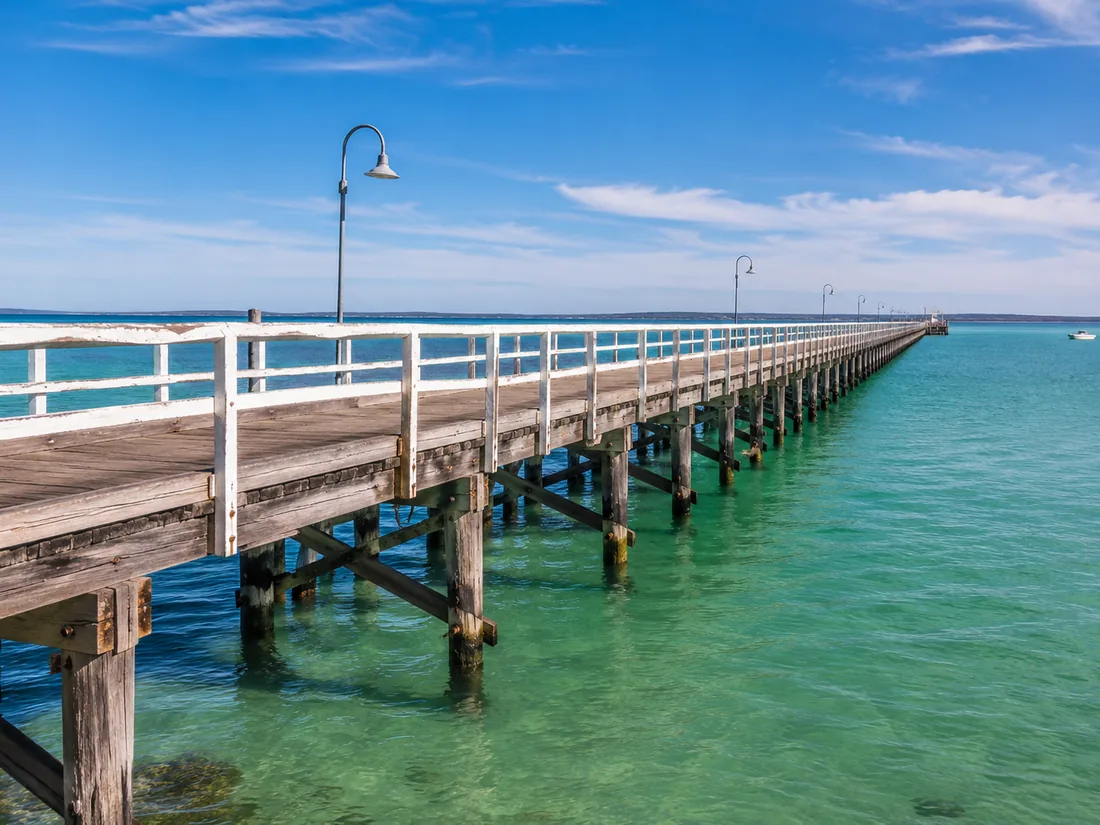
Yorke Peninsula jetty illustrating the connection between museums and maritime landscapes

Planning principle

Do not spend the day crossing the peninsula for one extra museum

Driving times look modest on a map, but museum visits, lunch, waterfront stops and limited opening windows quickly fill a day. The most satisfying plan usually combines two or three museums in the same part of the peninsula and leaves enough time to see the historic landscape around them.

For a first museum-focused trip, the Copper Coast circuit offers the greatest concentration. For a slower day from Stansbury, the east-coast route creates a clearer contrast between agriculture, local community history and maritime heritage.

Practical museum planning

A few checks save wasted driving

Opening daysMany regional museums use volunteer staffing or limited schedules. Confirm current opening times before leaving.
Allow enough timeSmall buildings can contain surprisingly large collections. Do not assume every museum is a quick 20-minute stop.
Group by areaCopper Coast museums combine well together; east-coast museums form a separate, more relaxed route.
Add the surrounding placeJetties, historic streets, mine sites and waterfronts make the museum story easier to understand.
Family pacingChoose one hands-on or machinery-heavy museum and alternate indoor history with an outdoor stop.
AccessibilityHistoric buildings and older sites vary. Check the specific museum if step-free access or mobility support matters.
Where is Stansbury Museum and how do I contact it?

Stansbury Museum is at Lot 101 North Terrace, Stansbury SA 5582. Current public contact numbers are 0409 094 009 and 0407 188 689.

Which Yorke Peninsula museum is best for mining history?

Moonta Mines Museum is the main starting point for Cornish copper-mining history. The surrounding National Heritage Area extends the visit into mine sites, enginehouses, walking routes and other historic structures.

Which museum is best for farming history?

The Farm Shed Heritage Museum in Kadina offers the broadest farming focus. Ardrossan Heritage Museum is especially relevant if you are interested in agricultural machinery and the stump-jump plough story.

Where can I learn about maritime history?

Wallaroo Heritage & Nautical Museum is a strong northern choice. Edithburgh and Port Victoria add different coastal stories involving shipping, shipwrecks, grain and seafaring.

Is Stansbury Museum worth adding to a Yorke Peninsula museum trip?

Yes, particularly if you want a close look at how one small coastal community lived and worked. Its mix of domestic rooms, local industries, farming, oyster history and research material is different from the larger mining and machinery collections farther north.

Can I visit several museums in one day?

Yes, but group them geographically. Kadina, Wallaroo and Moonta Mines form a logical Copper Coast day, while Ardrossan, Stansbury and Edithburgh can be combined more naturally along the eastern side.

Should I rely on search results for museum opening hours?

Use search results as a starting point, then confirm current hours close to travel. Volunteer museums can change seasonal schedules, public-holiday opening or special arrangements.

Choose the story first; the route becomes much easier after that.

Mining, farming, shipping and local life overlap across Yorke Peninsula, but each museum gives one part of that history more space.