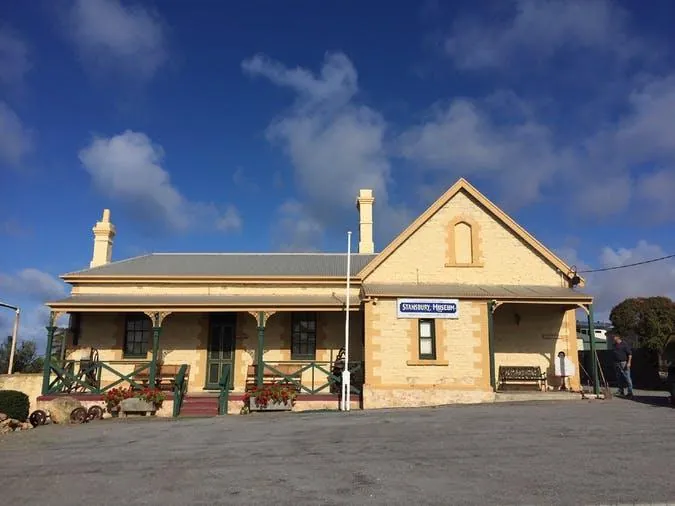
Rusty’s Racer on display at Stansbury Museum on Yorke Peninsula
Rusty’s Racer — the bright-yellow Stansbury soapbox car preserved at the museum.

Local motoring & community history

Rusty’s Racer & the Stansbury Soapbox Derby on Yorke Peninsula

Towler Street · family racing · FJ Holden bonnet · Stansbury Museum

Stansbury once sent home-built racers down Towler Street from a starting ramp, with children, teenagers and adults competing while local organisations raised money around the event. One of those cars, Rusty’s Racer, was built by Bob Jung from the bonnet of Rusty Martin’s 1955 FJ Holden ute and is now displayed at Stansbury Museum.

Stansbury Soapbox Derby — at a glance
StartedAustralia Day long weekend, 1980 · Towler Street
Who racedChildren from about five, teenagers and a Seniors class
The exhibitRusty’s Racer · built by Bob Jung from an FJ Holden bonnet
Community eventLions, CFS, museum, local families and businesses

Rusty’s Racer is one of two locally raced soapbox cars now displayed at Stansbury Museum. Stansbury’s derby began on the Australia Day long weekend in 1980 as a Lions Club of Yorketown initiative, with four local families entering cars on Towler Street.

The event later passed to Stansbury CFS and became an annual fundraiser. A January 1990 CFS report records a large crowd and classes from very young juniors to adults, with entries ranging from simple home-built carts to enclosed fibreglass racers on special tyres.

The museum also displays the wooden Mason family racer from the 1980s.

What is Rusty’s Racer?

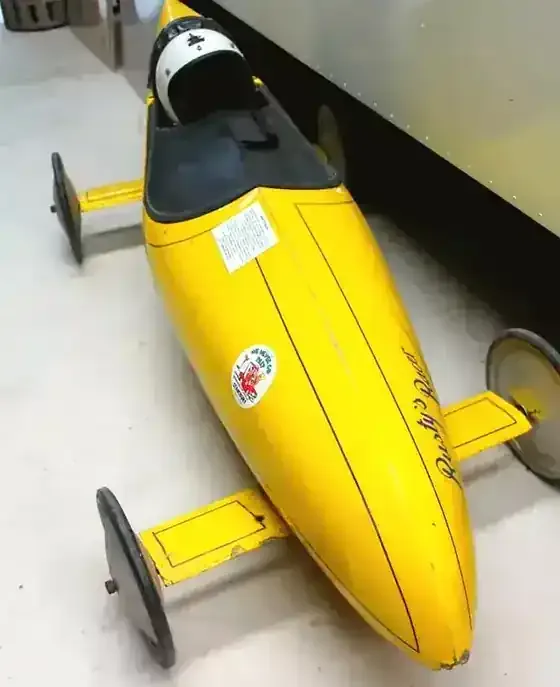
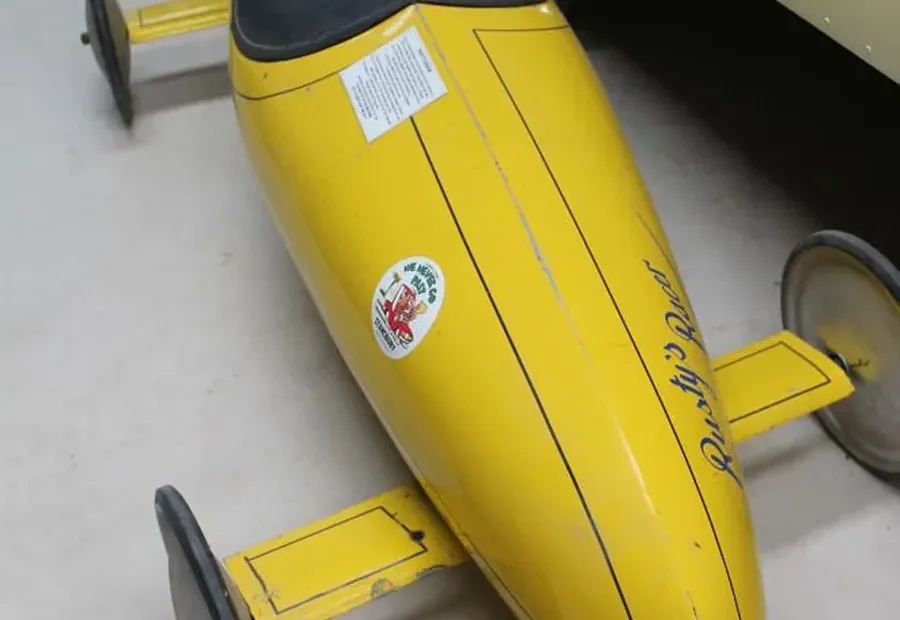
Rusty’s Racer, the yellow soapbox car displayed at Stansbury Museum
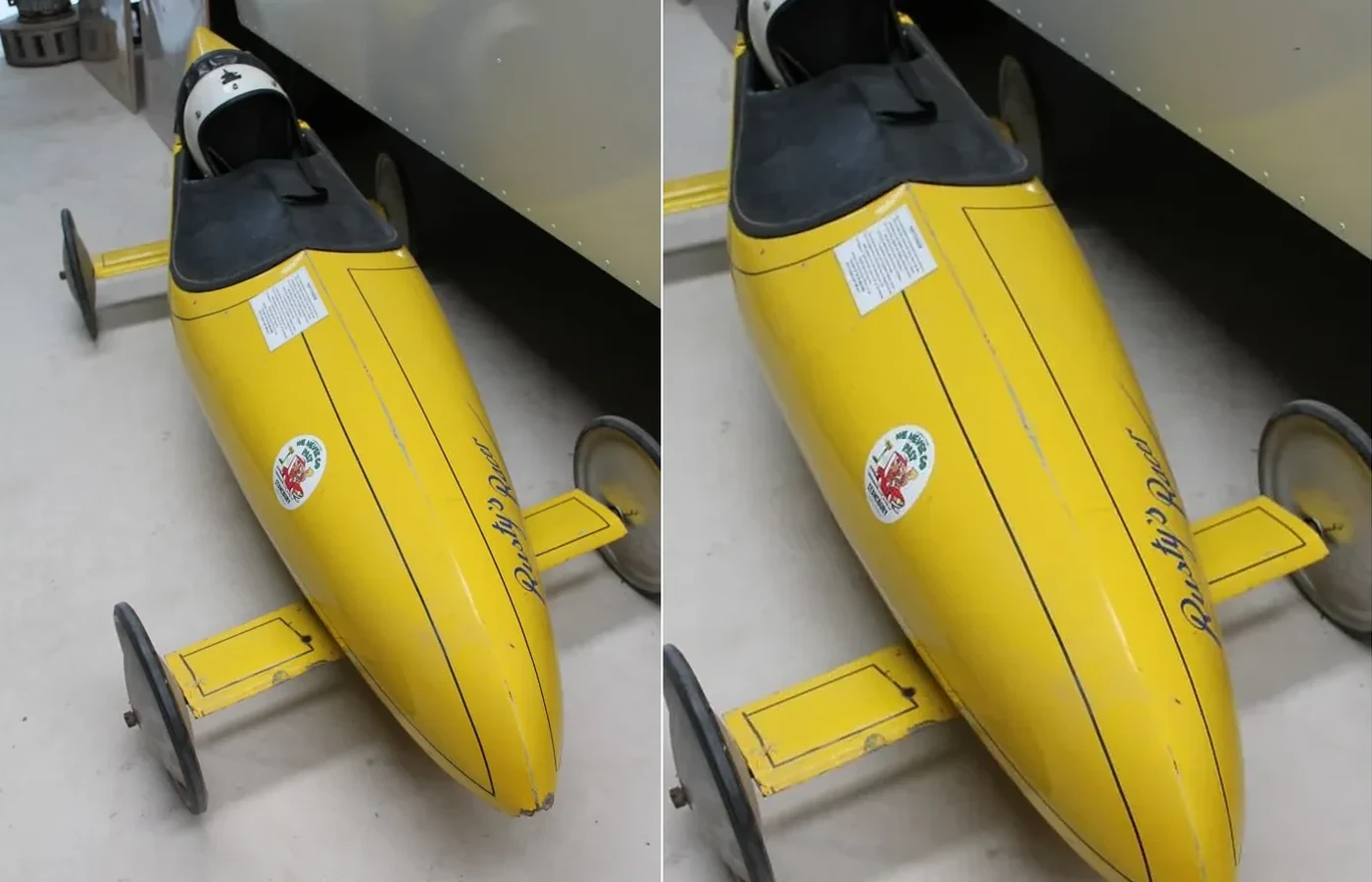
Rusty’s Racer at Stansbury Museum: a low open cockpit, exposed wheels and the curved Holden bonnet forming the body.

Bob Jung built Rusty’s Racer for his children to compete in the Stansbury derby. He used the bonnet from Rusty Martin’s 1955 FJ Holden ute as the body and painted the finished car bright yellow.

The Holden panel forms the car’s long rounded nose. The driver sits low behind it in an open cockpit between exposed wheels. There is no engine; the car accelerated from the starting ramp under gravity.

Jung’s children raced the car and it won several derbies. The car has a low seat, exposed running gear and a body built around the reused Holden panel rather than a conventional timber box.

Bob Jung later became closely involved with Stansbury Museum. The museum’s 2022–23 annual report records that he had been part of the museum since its early years and that his handiwork could be seen throughout the collection. Items from the Jung family also form part of the museum’s holdings.

The museum’s Mason family racer shows how differently local families solved the same problem. Rusty’s Racer has a curved steel Holden bonnet; the Mason cart is mainly timber, with a tow fitting, upholstered seat and racing plaques added during its years of use.

BuilderBob Jung
BodyBonnet from Rusty Martin’s 1955 FJ Holden ute
DriversBob Jung’s children
Race recordWinner of several soapbox derbies
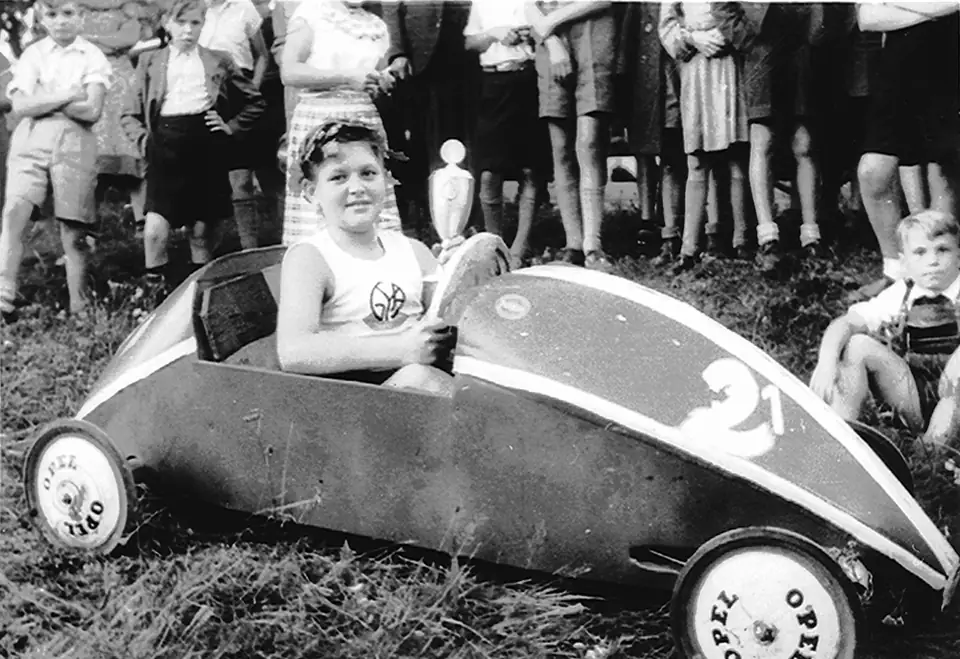
Children at a 1950 soap box derby with a low gravity-powered racer
A 1950 soapbox derby photograph showing the low seating position and simple running gear of a gravity racer.

The Stansbury Soapbox Derby on Towler Street

The Stansbury Soapbox Derby began on the Australia Day long weekend in 1980. It was a Lions Club of Yorketown initiative, and four Stansbury families built and entered cars on Towler Street.

Management later passed to Stansbury CFS. By 1990 the race was established enough to be reported in the Country Fire Service journal as the annual Stansbury Soapbox Derby. That year’s event was held on Sunday 28 January 1990, organised by Stansbury CFS and sponsored by local businesses.

The CFS report describes a large crowd and competitive racing from juniors about four or five years old through the age groups to adults. Cars ranged from basic but well-built soapboxes to streamlined, fully enclosed fibreglass racers fitted with special racing tyres.

Soap Box Association derbies were held in Stansbury for about ten years. Over that period there were up to six classes, allowing children, teenagers and a Seniors class to take part. Fiona Mason won and placed in multiple events in the Mason family car.

The event also raised money locally. Lions, Stansbury CFS and Stansbury Museum were among the organisations that benefited, while local businesses supported the race through sponsorship.

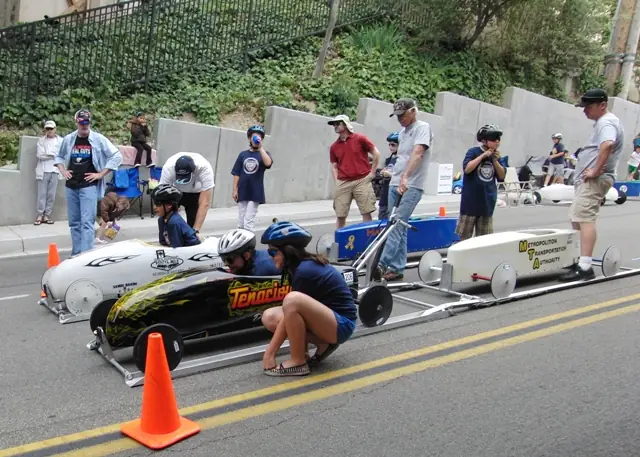
Modern soap box derby racers lined up before a race
A 1990 CFS report from Stansbury mentions both basic soapboxes and fully enclosed fibreglass racers with special tyres.
1980First Stansbury race

Four local families entered cars for the Australia Day long weekend event on Towler Street.

1990CFS journal record

On 28 January, Stansbury CFS ran the annual derby with local business sponsorship and a large crowd.

Up to 6Race classes

Classes covered young children, teenagers and a Seniors division.

~10 yearsDerbies in Stansbury

Soap Box Association race days continued in town for about a decade.

Ramp start, lever steering, tyre brake and hay bales

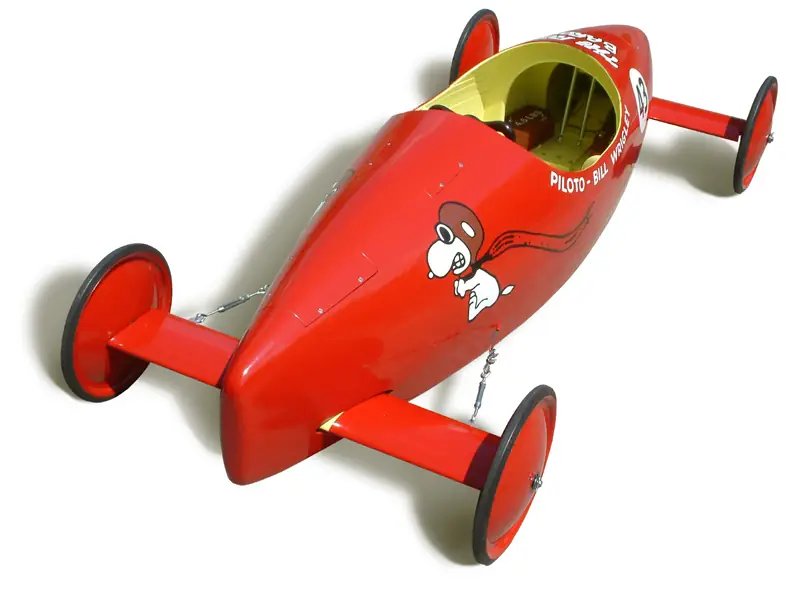
Soap box derby racer with a low body, exposed wheels and simple running gear
A simple gravity racer: low body, exposed wheels, steering linkage and no engine.

Stansbury’s cars launched from a ramp at the top of the hill and ran downhill under gravity. Steering was by lever; braking usually relied on a piece of old tyre fixed to a T-shaped leg that dropped beneath the racer.

Museum notes record that oversteering could flip a car sideways and that the brakes could fail. Hay bales at the bottom of the course provided the last barrier, and competitors wore safety helmets.

One local woman who had raced later remembered the run as a strong adrenaline rush and said the speed felt greater because the driver sat so close to the road. Museum records say some Stansbury racers could reach around 60 km/h.

Cars such as the Mason family racer had a tow fitting. After a run, drivers could stay seated while groups of six carts were attached and pulled back up the hill for the next round.

The 1990 CFS report describes straightforward homemade carts as well as streamlined fibreglass racers with enclosed bodies and specialist racing tyres.

1Launch from the ramp

No engine — the hill supplied the acceleration.

2Steer by lever

A simple mechanical linkage controlled the front wheels.

3Tyre brake

A T-shaped leg pushed a piece of old tyre down onto the road.

4Tow back uphill

Drivers could remain in their cars while several racers were pulled back together.

How an FJ Holden bonnet became a soapbox racer

From Rusty Martin’s ute

The donor panel came from Rusty Martin’s 1955 FJ Holden ute. Bob Jung turned the bonnet into the main shell of the racer and painted it bright yellow.

Instead of building a rectangular timber body, Jung started with an already curved steel panel. The bonnet became the nose of the cart, while the seat and running gear were fitted behind and beneath it.

The curved Holden bonnet is still obvious in the finished car, giving it a long metal nose instead of a rectangular timber body.

A very different shape from a billy cart

The FJ bonnet gave Rusty’s Racer its long, rounded front. The cockpit sits low behind that panel, between exposed wheels.

Beside the Mason family racer, the contrast is clear: Rusty’s Racer uses a Holden panel for its body, while the Mason car is built mainly from timber.

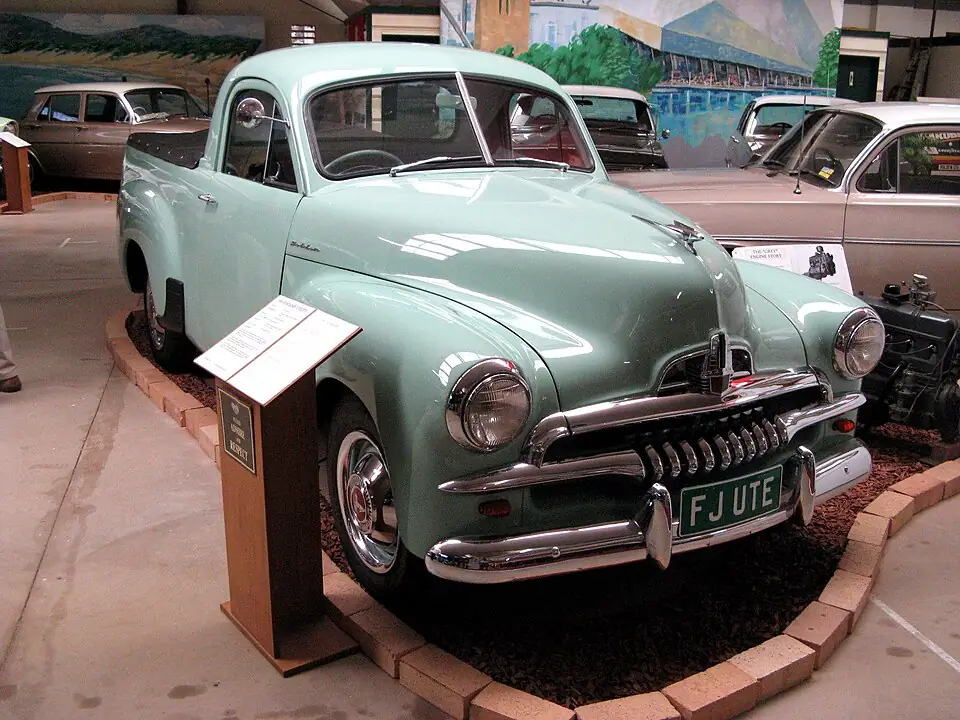
Holden FJ utility similar to the ute whose bonnet was reused for Rusty’s Racer
A Holden FJ utility. Rusty’s Racer reused the bonnet from Rusty Martin’s 1955 FJ ute.
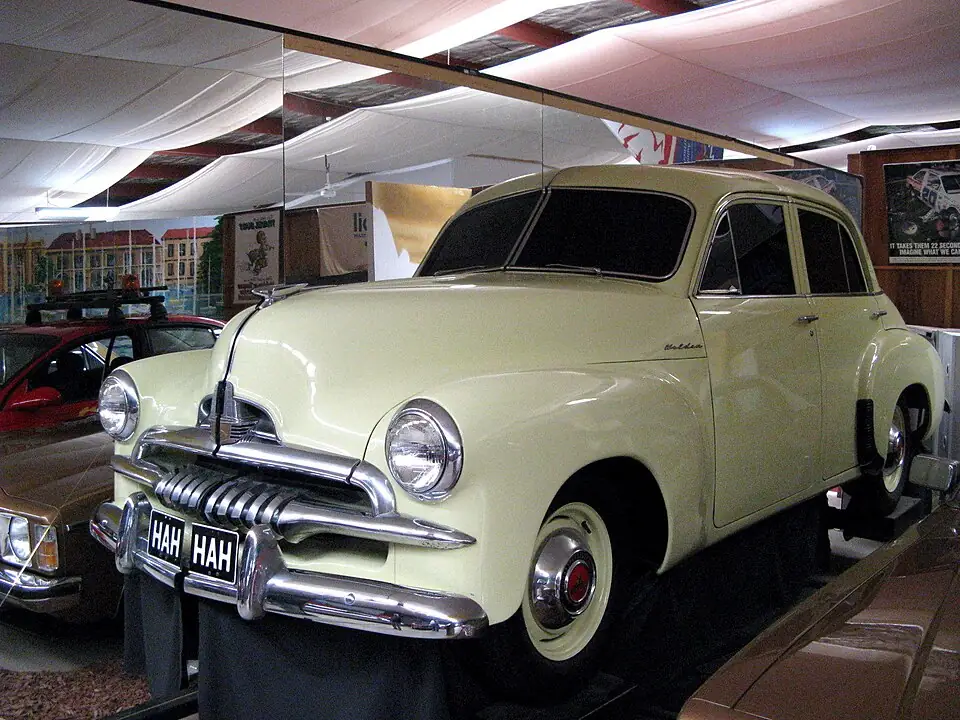
Holden FJ sedan showing the distinctive bonnet and front body shape of the model family
The rounded FJ bonnet gave Rusty’s Racer its long, smooth nose.

The Mason family racer

The Mason family was one of the four Stansbury families that entered cars when the Towler Street event began in 1980. Their racer survived and was added to the Stansbury Museum soapbox display in 2023.

It is a very different machine from Rusty’s Racer. The Mason cart is a traditional billy-cart style racer built mainly from timber, stained and decorated with stickers. Winner’s plaques were fixed to the body during its racing life.

The seat is upholstered in blue with a red headrest. At the front is the tow-rope fitting used when groups of six racers were hauled back up the hill after a run.

Fiona Mason won and placed in numerous events in the family car. The museum specifically records her results as part of the story of the derby, where girls and boys raced in the age classes and adults could enter the Seniors class.

The Mason racer joined Rusty’s Racer in the museum display in 2023. One is mainly timber; the other is built around a curved Holden bonnet.

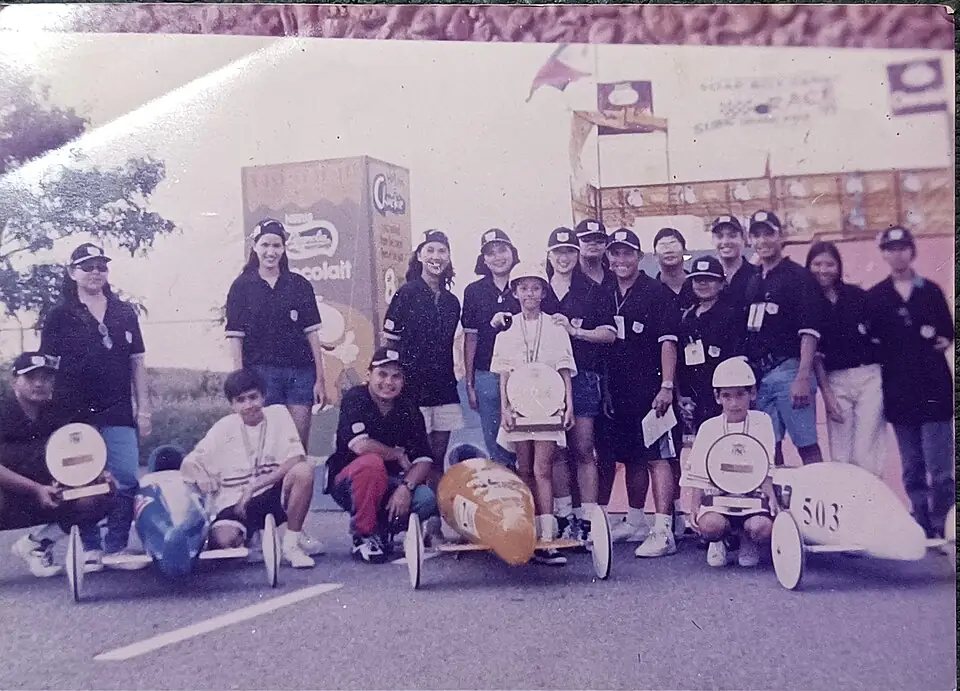
Young soap box derby racers with their cars and event crew
Young competitors at a soapbox derby. Stansbury records include successful girl competitors such as Fiona Mason.

What children can look for at the soapbox display

Most of the working parts are visible: seat, wheels, steering and brake. Stansbury’s classes included racers from about five years old through the teenage years, and the cars on display were built for local competition.

Find the missing engine

There is no engine. The cars started from a ramp and used the slope of Towler Street for speed.

Look for the steering and brake

Local accounts describe lever steering and a tyre-faced brake that dropped beneath the racer. Museum notes also record oversteering and brake failures.

Compare metal with timber

Rusty’s Racer uses an FJ Holden bonnet for its body; the Mason family car is mainly timber.

Who drove them?

Children from about five years old could compete, with classes continuing through the teenage years and a Seniors class for adults. Fiona Mason was among the successful local competitors.

Close view of Rusty’s Racer at Stansbury Museum showing its low seat and exposed front wheel
Up close, Rusty’s Racer shows the low seating position, exposed wheels and simple layout of a gravity racer.
At the museum

Compare the two racers

Start with Rusty’s Racer, then look for the wooden Mason family cart and its tow fitting and racing plaques.

After the museum

Walk the foreshore or jetty

Continue to the waterfront and Stansbury Jetty for an outdoor stop.

A local race preserved in Stansbury Museum

Stansbury Museum sign and historic museum building on Yorke Peninsula
Rusty’s Racer and the Mason family racer are preserved at Stansbury Museum.

Stansbury Museum grew from a display of historical items at the Bowling Club during the town’s 1973 centenary celebrations. The museum officially opened on 8 January 1976.

The museum occupies the original government schoolroom and attached headmaster’s residence, built in 1878. Its collections cover school, family, cemetery, business, club, farming, fishing and industrial history as well as household objects and local photographs.

Families built the cars, local businesses sponsored race days, Stansbury CFS organised later events, and community organisations benefited from the fundraising.

Rusty’s Racer builder Bob Jung was also a long-time museum contributor. The museum’s 2022–23 annual report says much of his handiwork remained visible throughout the museum and that the Jung family had contributed numerous items to the collection.

In 2023, during the year Stansbury marked 150 years since its proclamation, the Mason family racer was added to the existing soapbox display. The museum display now includes both the yellow Holden-bodied Rusty’s Racer and the timber Mason cart.

1973Centenary display

Historical material shown at the Bowling Club helped spark interest in a permanent museum.

1976Museum opens

Stansbury Museum officially opened on 8 January in the former school and headmaster’s residence.

1980Soapbox derby begins

Four local families entered the first Towler Street event on the Australia Day long weekend.

2023Mason racer added

The surviving timber cart joined Rusty’s Racer in the museum’s soapbox display.

Rusty’s Racer & Stansbury Soapbox Derby FAQ

What is Rusty’s Racer?

Rusty’s Racer is the bright-yellow locally built soapbox racer displayed at Stansbury Museum. Its body was fashioned from the bonnet of a 1955 FJ Holden ute.

Who built Rusty’s Racer?

Bob Jung built Rusty’s Racer. The bonnet came from Rusty Martin’s Holden ute, and Jung’s children raced the car.

When did the Stansbury Soapbox Derby begin?

The Stansbury Soapbox Derby began on the Australia Day long weekend in 1980, when four Stansbury families entered cars in a Lions Club of Yorketown initiative on Towler Street.

Who could race?

There were up to six classes over the years, from children around five through to a Seniors class. A 1990 CFS report describes competitors from very young juniors to adults.

How did the soapbox cars steer and stop?

The local museum describes lever steering and a brake using an old tyre fixed to a T-shaped leg that dropped beneath the car. Hay bales were placed at the bottom of the course as a final barrier.

How fast were the Stansbury soapbox racers?

Stansbury Museum records that some cars reached around 60 km/h.

Where was the race held?

The Stansbury Soapbox Derby ran on Towler Street. Racers started from a ramp at the top of the hill and were later towed back uphill after their runs.

Where can I see Rusty’s Racer?

Rusty’s Racer is displayed at Stansbury Museum on Yorke Peninsula.

More Stansbury and Yorke Peninsula heritage