
1873
Oyster Bay was renamed Stansbury and the town was formally proclaimed.
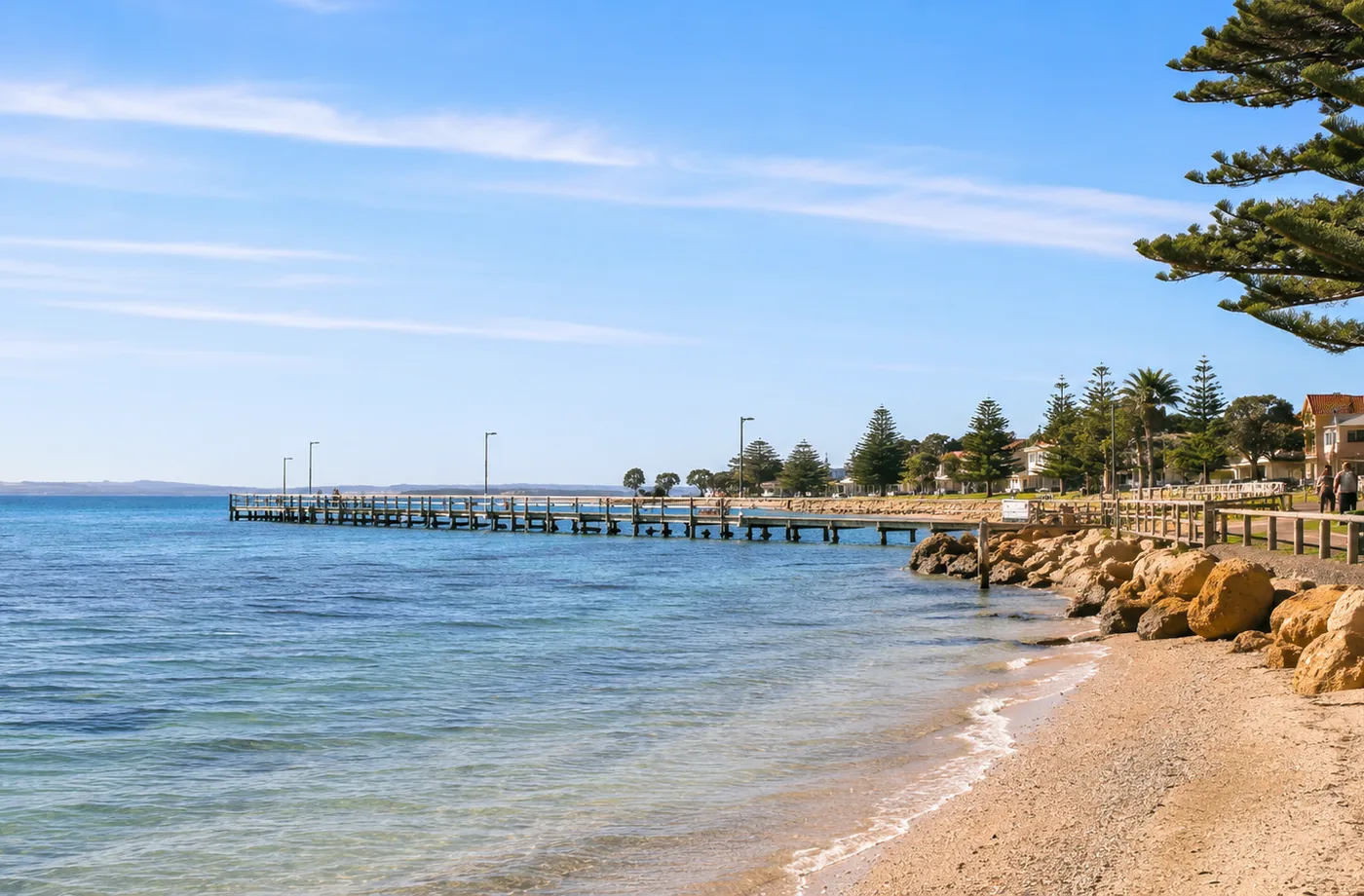
Stansbury · Yorke Peninsula
Things to do, history and visitor planning
Start with the waterfront, then choose the museum, a longer coastal walk or a nearby day trip according to the time you have in Stansbury.
Stansbury sits on the eastern side of Yorke Peninsula, facing the comparatively sheltered waters of Oyster Bay. It is a small town, but the main visitor places are unusually concentrated: the jetty, beach, Harbour Masters Park, playgrounds, picnic areas, visitor information, main shopping streets and foreshore walking are all close enough to combine without turning a short stop into a driving itinerary.
The simplest way to understand Stansbury is to begin at the water. Oyster Bay explains the town's early name, its historic oyster industry, the jetty, fishing traditions and much of the way the settlement developed. Behind the foreshore, farming and service industries connected the town to the wider southern Yorke Peninsula district.
That combination suits several different kinds of visit. A family can spend time around the foreshore. A history-focused visitor can pair the museum with older town buildings and memorials. Walkers can continue south along the coastal trail. Travellers staying overnight can use Stansbury as a quieter base before exploring Port Vincent, Yorketown, Edithburgh, Dhilba Guuranda–Innes National Park or the northern Copper Coast.
You do not need a complicated plan. For a first visit, choose the waterfront as your anchor and add one or two deeper stops. The sections below are arranged in that order, so the route works as an easy itinerary as well as background reading.
A balanced visit mixes the waterfront, local history and one longer activity instead of trying to tick off every small landmark.
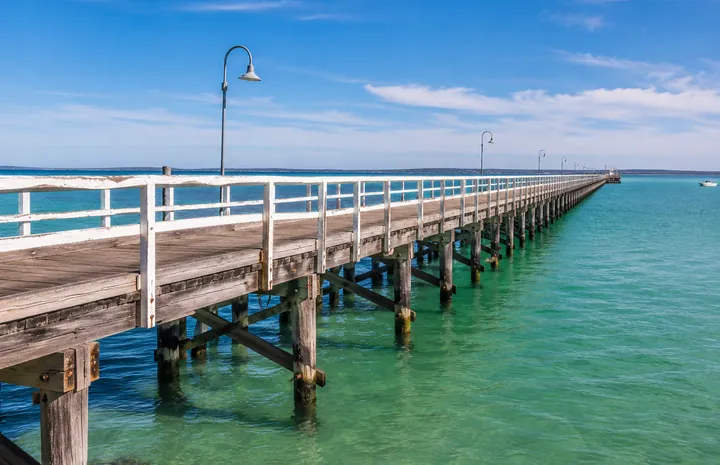 Stansbury Jetty
The town's central landmark and main orientation point. The present jetty dates from 1905 and remains closely associated with fishing, crabbing and the working history of Oyster Bay.
 Stansbury Museum
A compact local-history museum in the original school and headmaster's residence. Its collections connect household life, farming, fishing, transport, sport, schooling and community organisations.
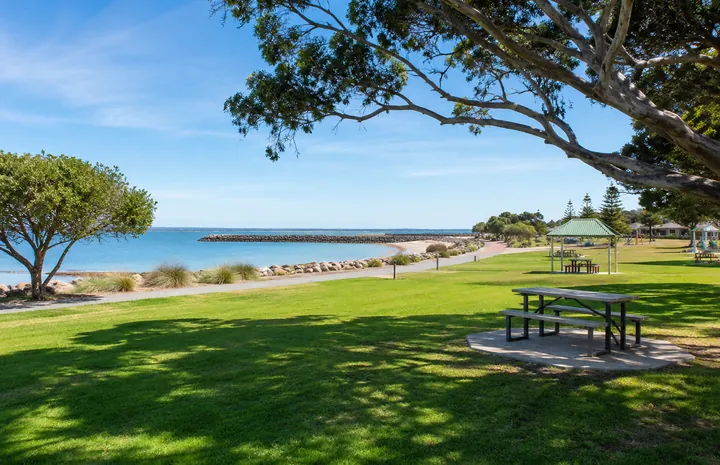 Harbour Masters Park
A landscaped area beside the jetty with views across the bay, paths, picnic space, memorial elements and public facilities. It is a comfortable place to pause with children or older visitors.
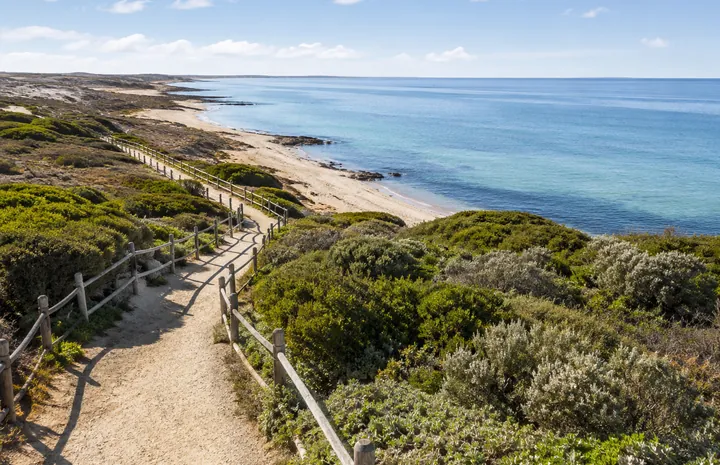 Coastal walking trail
The full Stansbury trail extends about 6.3 km south toward Pitts Cutting. You can walk only the central section if time is limited rather than treating the full distance as essential.
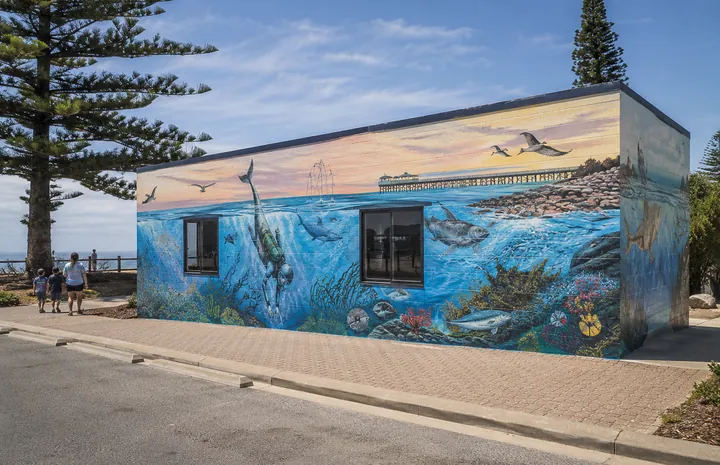 Foreshore murals
Community murals add local stories to the waterfront and are easy to combine with the jetty and park. They work best as part of a walk rather than as a separate driving stop.
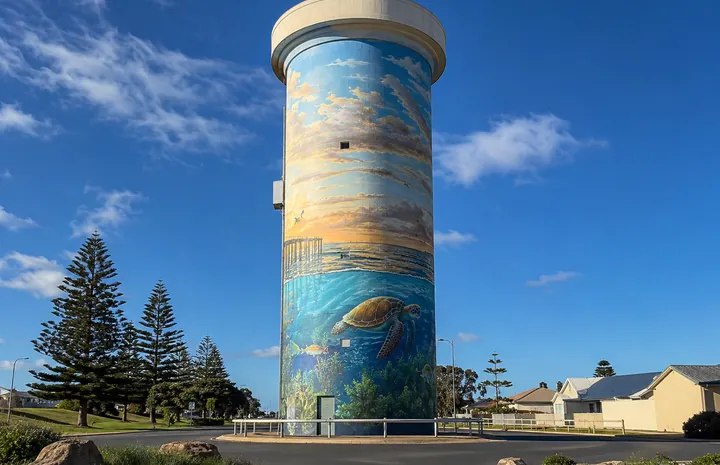 Water tower mural
The 25-metre water tower was painted in 2021 with marine and local imagery. It is a convenient arrival or departure stop because it sits away from the main foreshore.
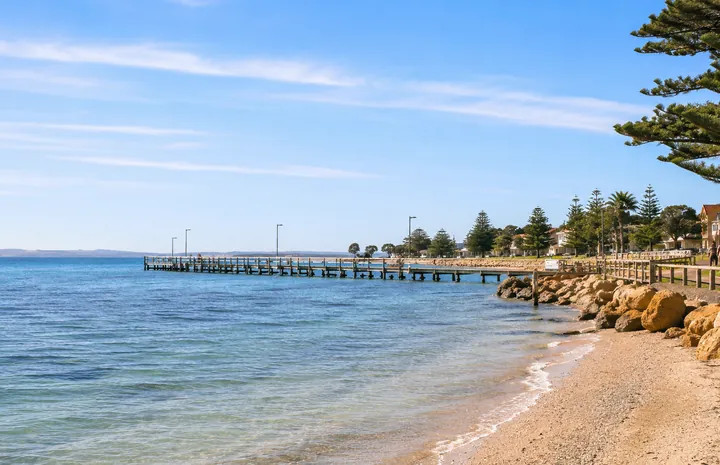 Mills Gully & Pitts Cutting
These southern coastal points give a different feel from the central foreshore and make sense for visitors who want views, walking and a quieter edge-of-town landscape.
 Seaside Markets
A seasonal community event on the foreshore with local produce, food and crafts. Market dates vary, so treat them as a bonus to verify rather than a permanent daily attraction.
If you have only an hour, this sequence covers the part of Stansbury most visitors actually want to understand.
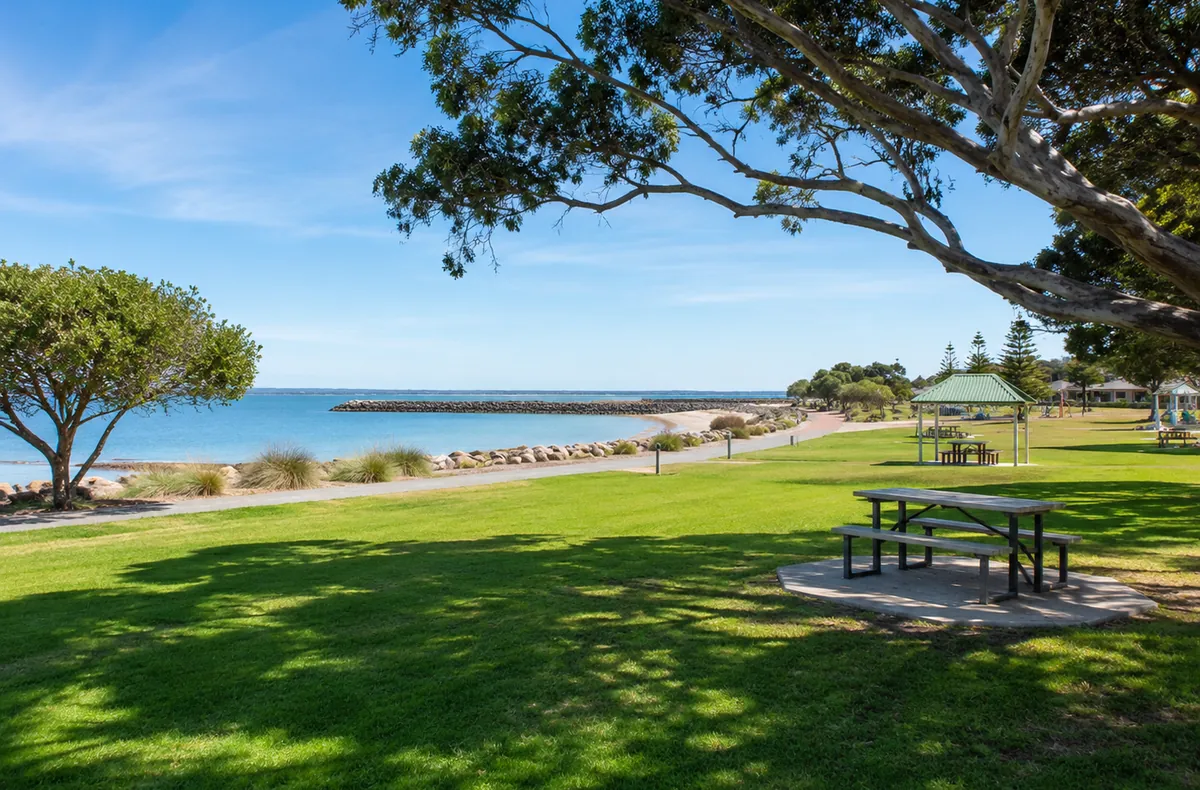
Start by the bay
Begin at the jetty reserve because it gives immediate context: Oyster Bay in front of you, the foreshore beside you and the town centre just behind. Walk the jetty if conditions are comfortable, then move through Harbour Masters Park rather than returning straight to the car.
Continue along the foreshore past picnic and recreation areas. The murals and memorial elements are small enough to discover naturally on foot. From there, turn inland toward Weaver and Towler streets, where the visitor information centre occupies the historic former post office building.
This short loop is enough to understand the shape of Stansbury. If it appeals to you, extend the visit rather than starting with a long list of distant stops.
From Oyster Bay to Stansbury
The settlement was known in its early period as Oyster Bay because extensive natural oyster beds were a defining feature of the bay. The name changed to Stansbury in 1873, and the town was formally proclaimed that year. Coastal shipping was critical before road transport became practical, linking local produce and people with Port Adelaide and other gulf ports.
The present jetty was built in 1905 after the earlier landing structure was no longer suitable for larger vessels. The waterfront therefore carries more than recreational value: it is evidence of the transport system that helped the district function.
Stansbury Museum is the best place to connect these separate threads. It occupies the original school and headmaster's residence built in 1878 and was opened as a museum in 1976. Displays cover local homes, education, family records, farming, fishing, machinery, sport, clothing, cameras, bottles and many smaller collections that show how everyday life changed.
If you are interested in genealogy or local families, allow more time than a casual visitor. The museum's research material and cemetery records are a different kind of resource from the display rooms.

Oyster Bay was renamed Stansbury and the town was formally proclaimed.
The schoolroom and attached teacher's residence — now the museum — were built.
The present jetty opened, replacing the earlier structure used by coastal shipping.
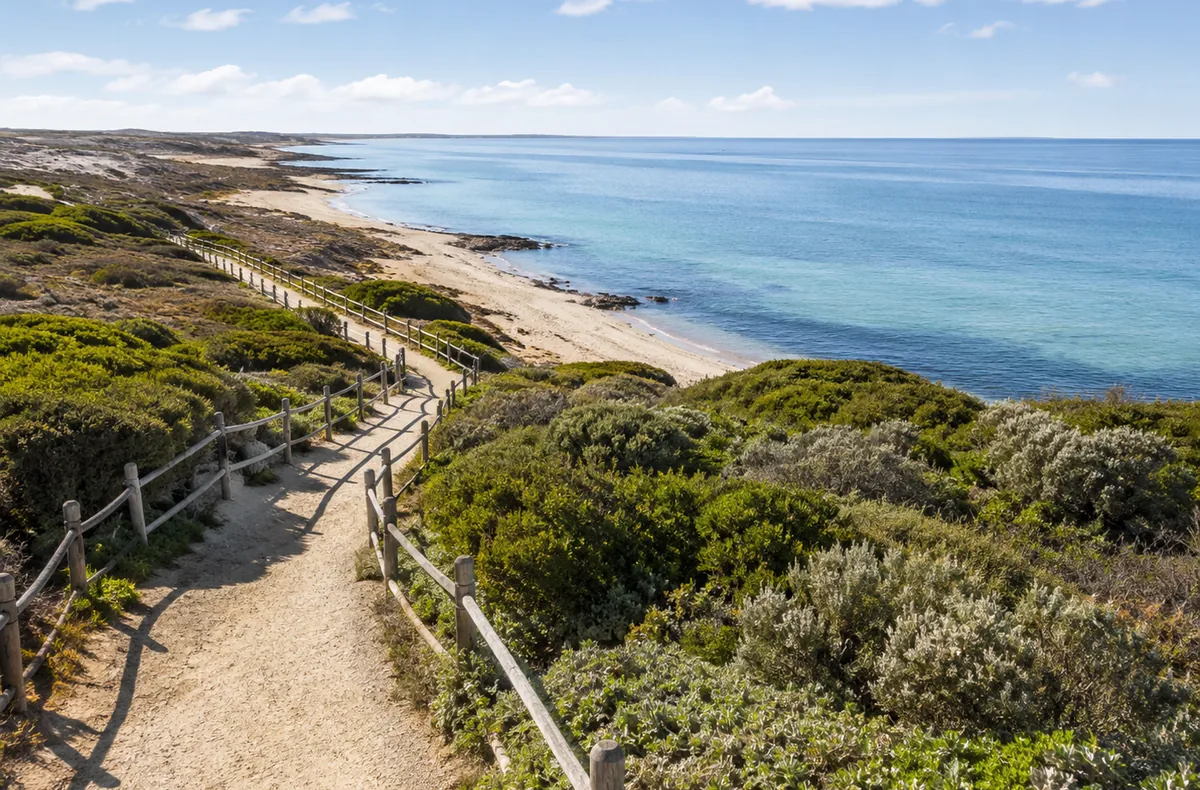
The central beach is only one part of the local shoreline. South of town, the experience becomes quieter and more exposed.
Walk, fish or simply stay by the foreshore
The Stansbury Walking Trail runs about 6.3 km from the town area south toward Pitts Cutting, with shorter sections that work well for casual visitors. The central part is the simplest extension after the jetty; the farther sections make more sense when walking itself is one of your main activities.
Fishing and crabbing are deeply associated with Stansbury, but they are activities rather than guaranteed attractions. Catch, season and marine conditions vary. If you plan to fish, check current recreational rules and weather before you arrive.
The sheltered appearance of Oyster Bay should not be treated as a promise of safe water every day. Wind, heat, algal conditions and local beach advice can change quickly. Families and swimmers should make a same-day decision rather than relying on older travel information.
Oysters are part of Stansbury's identity, but the story is more interesting than a simple food recommendation. Natural oyster beds were important enough for the settlement to be known as Oyster Bay, and the bay later supported renewed aquaculture. That history links the modern town directly with the environment in front of the jetty.
For visitors, local seafood availability should be treated as variable. Harvest closures, seasonal conditions and business opening patterns can affect what is available on a particular day. If oysters are one of the main reasons for your trip, confirm current sales and harvest status before travelling.
The Stansbury Seaside Markets are another expression of local life. They are held seasonally on the foreshore rather than as a permanent market. When a market is running, it can change the feel of the central waterfront considerably, bringing together produce, food, crafts, community groups and visitors.
The visitor information centre is worth using even if you already have a phone full of maps. It occupies the old post office, built in 1877, and can provide the small local details that general regional sites often miss: current events, printed maps, short walks, local produce and what is actually open.
Jetty, Harbour Masters Park, a short foreshore walk and a quick look through the central streets.
Add Stansbury Museum when open, or choose a longer section of the coastal trail instead.
Combine the waterfront, museum, water tower mural and a relaxed walk or meal without rushing.
Use Stansbury as the base, then add Port Vincent, Yorketown, Edithburgh or another southern Yorke stop.
Keep it simple
Stansbury is compact, but Yorke Peninsula is not. Once you leave town, driving time becomes the main constraint.
The town works best as part of a Yorke Peninsula route, but choose one direction instead of trying to cross the whole peninsula in a day.
A nearby east-coast stop with a different waterfront feel. Easy to combine on the same side of the peninsula.
Inland service town and a convenient link between Stansbury and the southern coast.
Southern coastal town known for its jetty, maritime setting and access to the lower peninsula.
A major landscape destination farther south. Treat it as a substantial outing rather than a quick add-on.
Moonta, Wallaroo and Kadina add mining history and larger museum experiences north of Stansbury.
Use the Yorke Peninsula to choose a route by region instead of simply following the longest attraction list.
Stansbury is best known for its sheltered Oyster Bay setting, long jetty, foreshore, local oyster history, Stansbury Museum, coastal walking and a compact town centre that is easy to explore on foot.
Allow about an hour for the central waterfront, two to three hours if you add the museum or a longer walk, and most of a day if you want a relaxed visit with several stops.
The central foreshore, jetty, parks, visitor information centre and main streets are close together. A car helps with the water tower, Mills Gully, Pitts Cutting and trips beyond town.
The foreshore is a convenient family base, with open space, playground facilities, picnic areas, the jetty and short walks. Conditions around the water should always be checked on the day.
Fishing and crabbing are long-standing activities at the jetty and around Oyster Bay. Seasons, rules and marine conditions change, so check current South Australian regulations before fishing.
It is the clearest single place to understand how schooling, farming, fishing, households, transport, sport and local organisations shaped the town. The museum occupies the former school and headmaster's residence built in 1878.
The markets are seasonal rather than daily. Dates can change from season to season, so confirm the current program before planning a trip around a market day.
Yes for visitors who want a quieter east-coast base with access to southern Yorke Peninsula and day-trip options north toward the Copper Coast. Driving is still necessary for the peninsula's more distant attractions.
Explore more
After Stansbury, compare nearby museums, coastal stops and wider Yorke Peninsula routes to build the rest of the trip without unnecessary backtracking.